
Crete
The island of Crete in Greece is the largest Greek island and the 5th largest island in the Mediterranean. Heraklion, the capital and largest city of Crete, has a population of almost 650,000. Crete is a major part of Greece’s economy, across heritage, industry, and tourism.
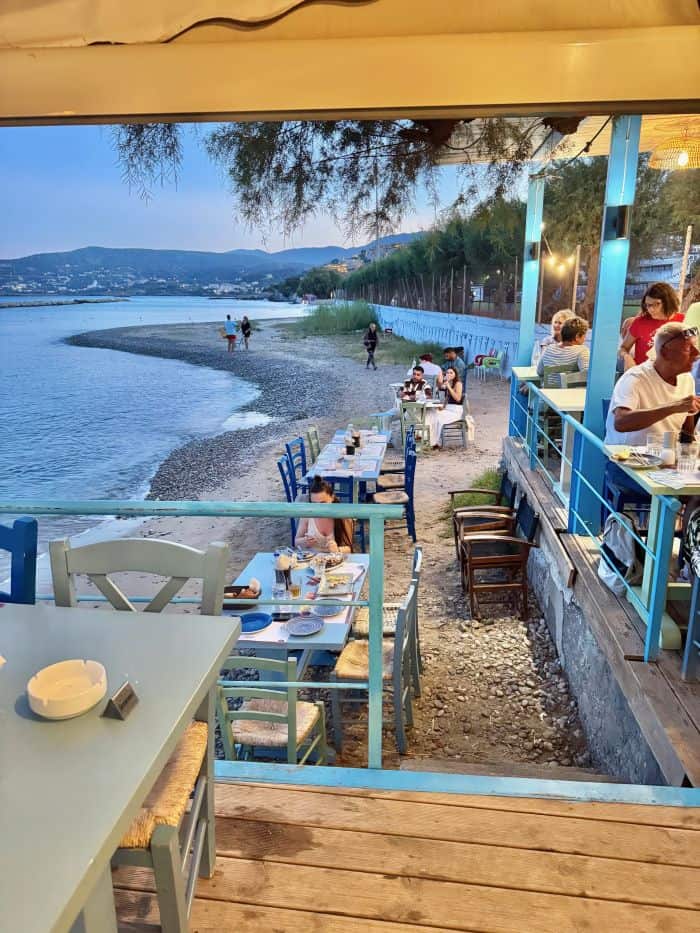
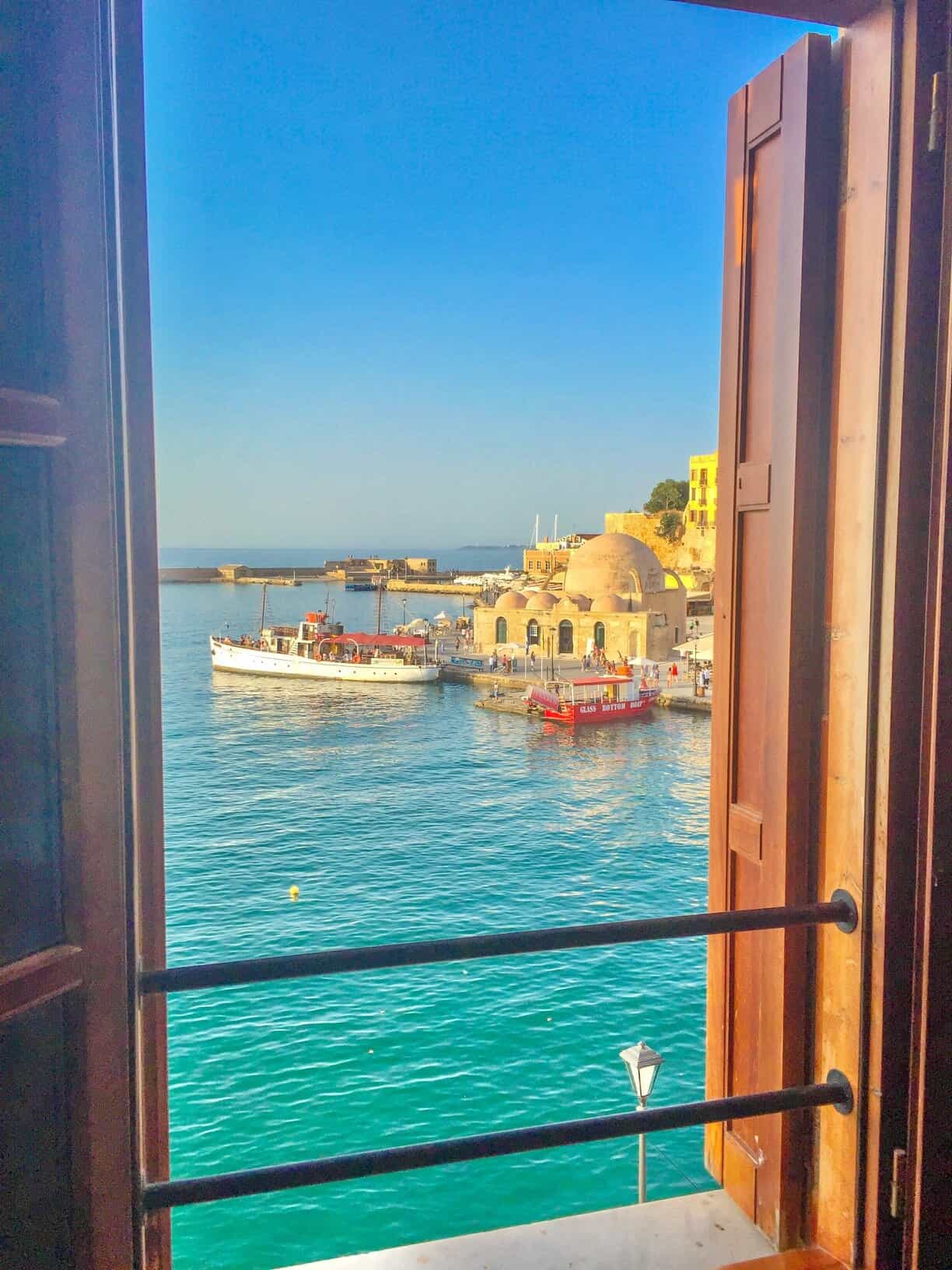
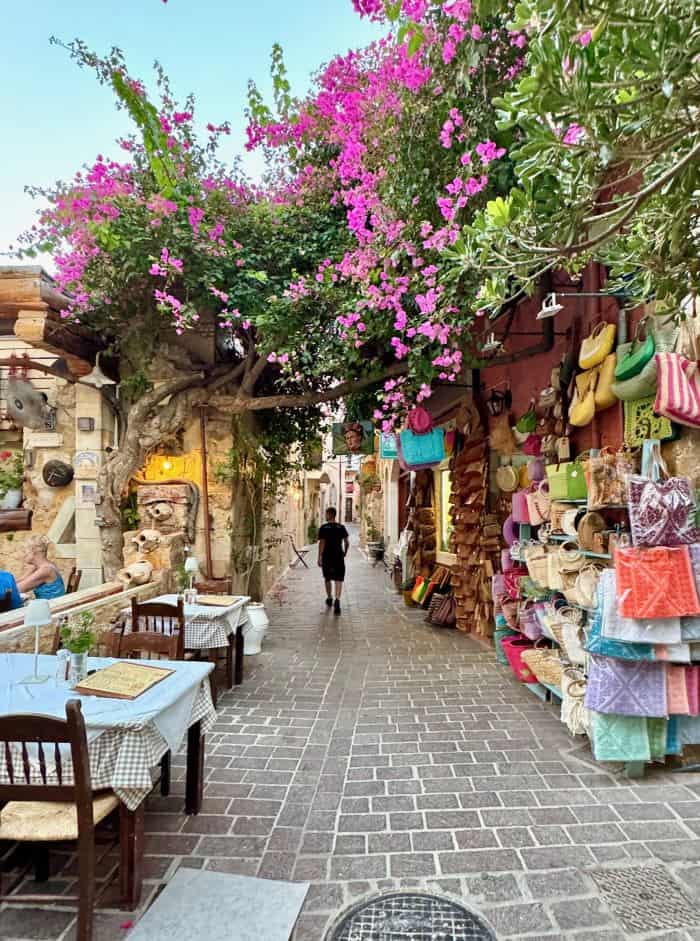
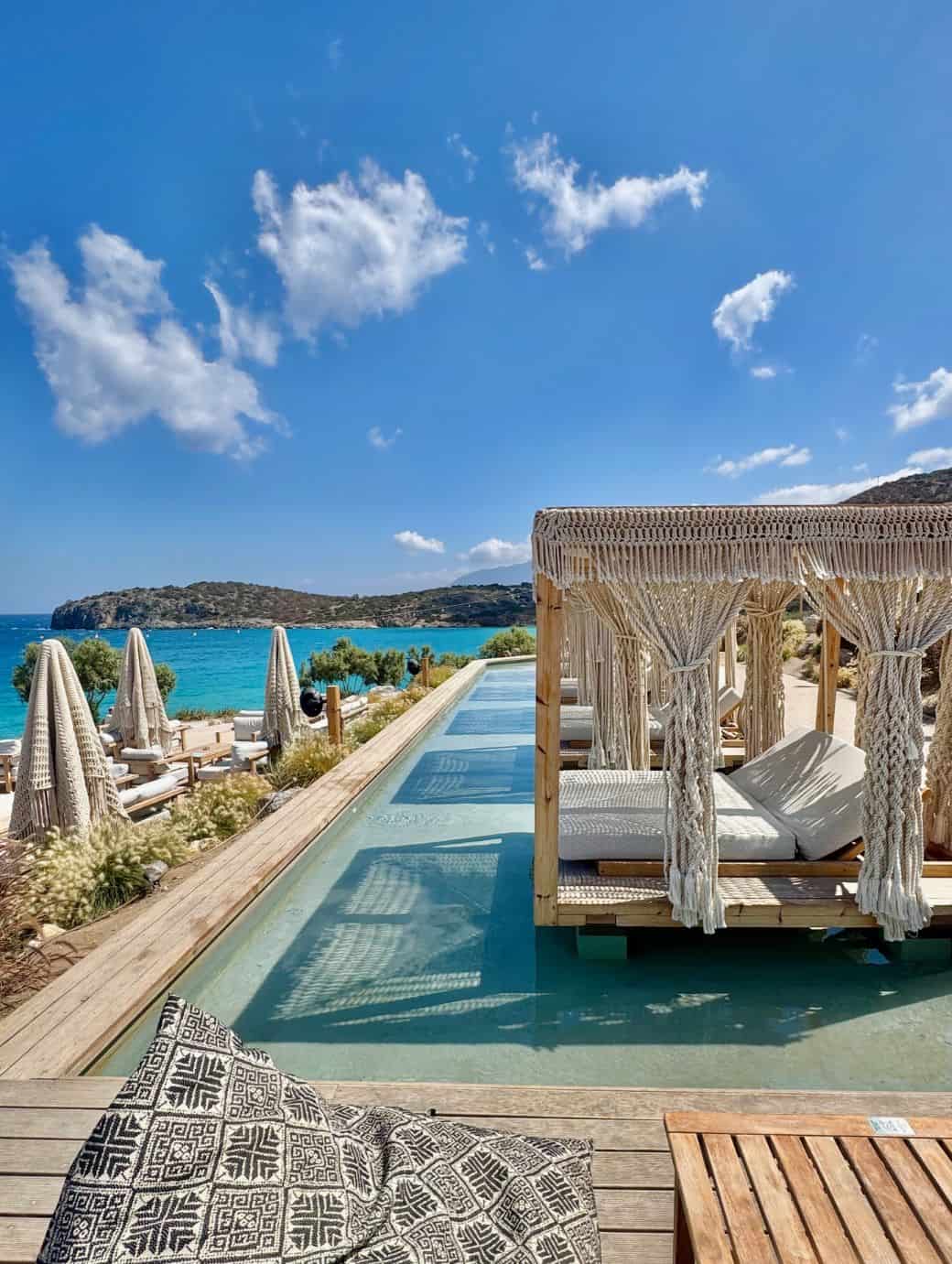
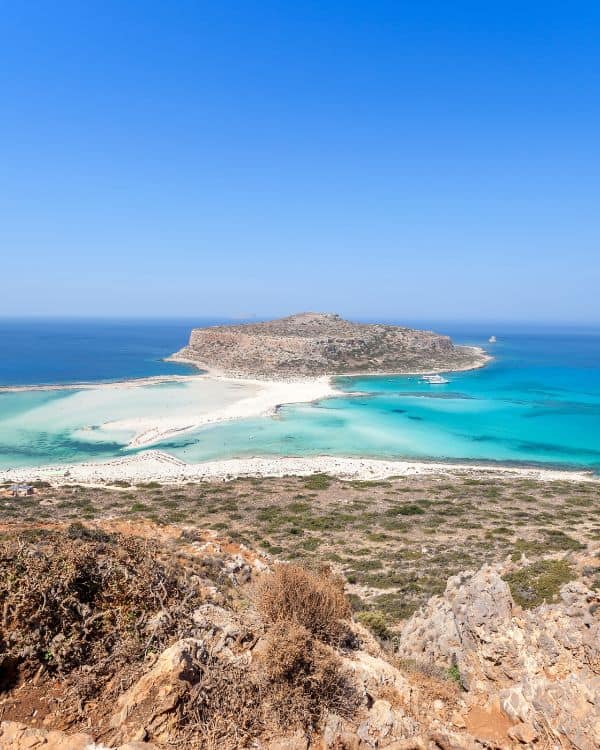
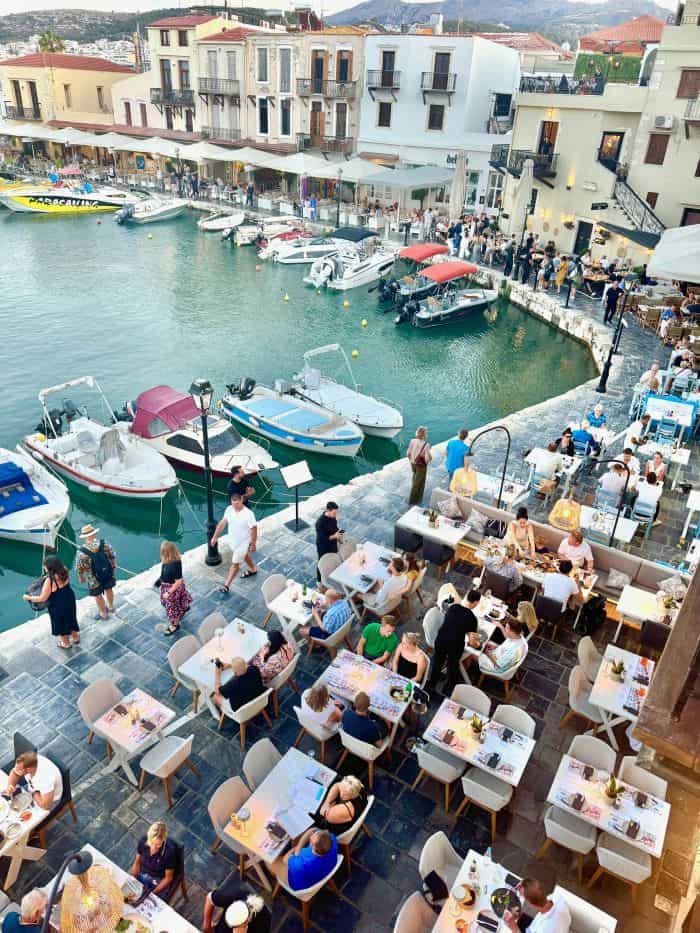
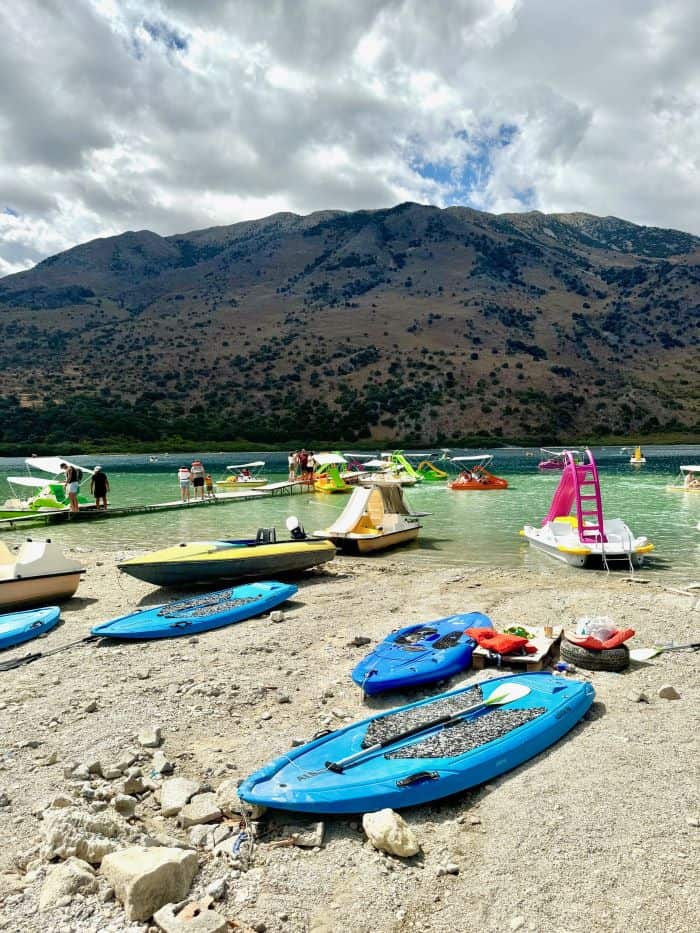
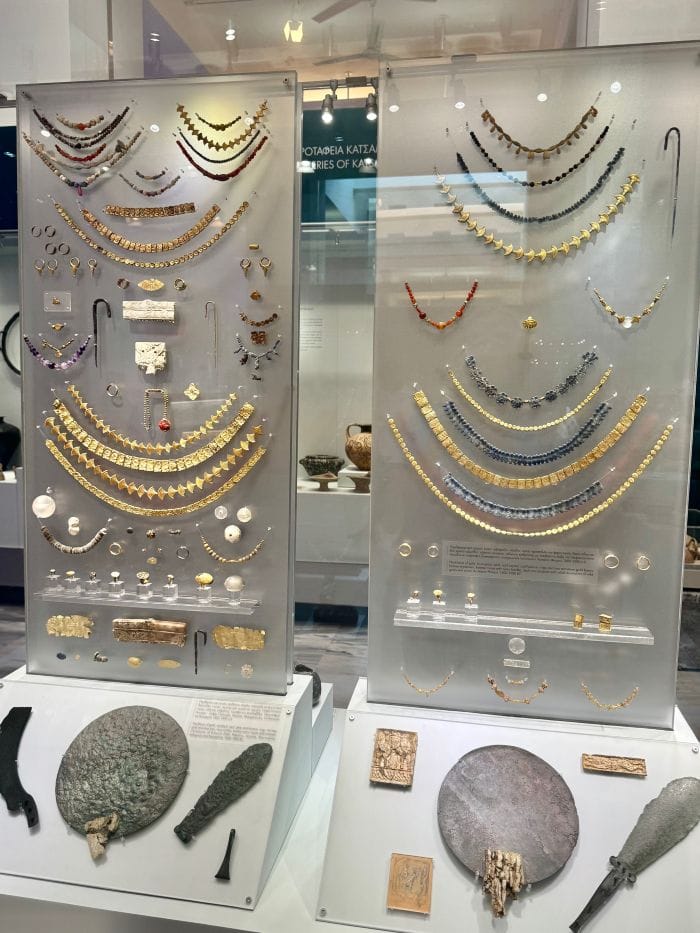
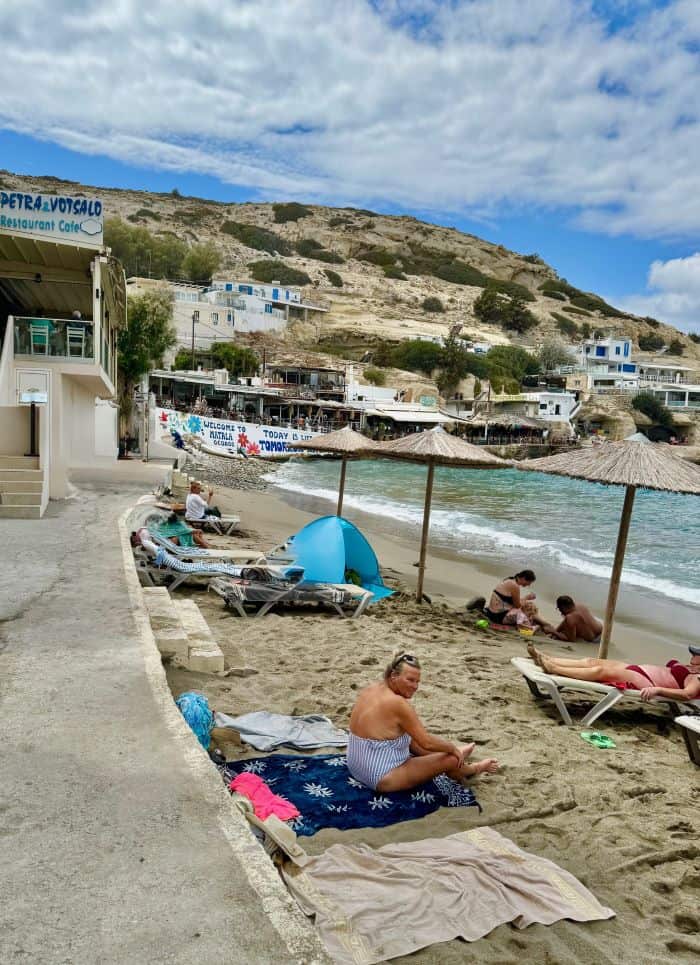
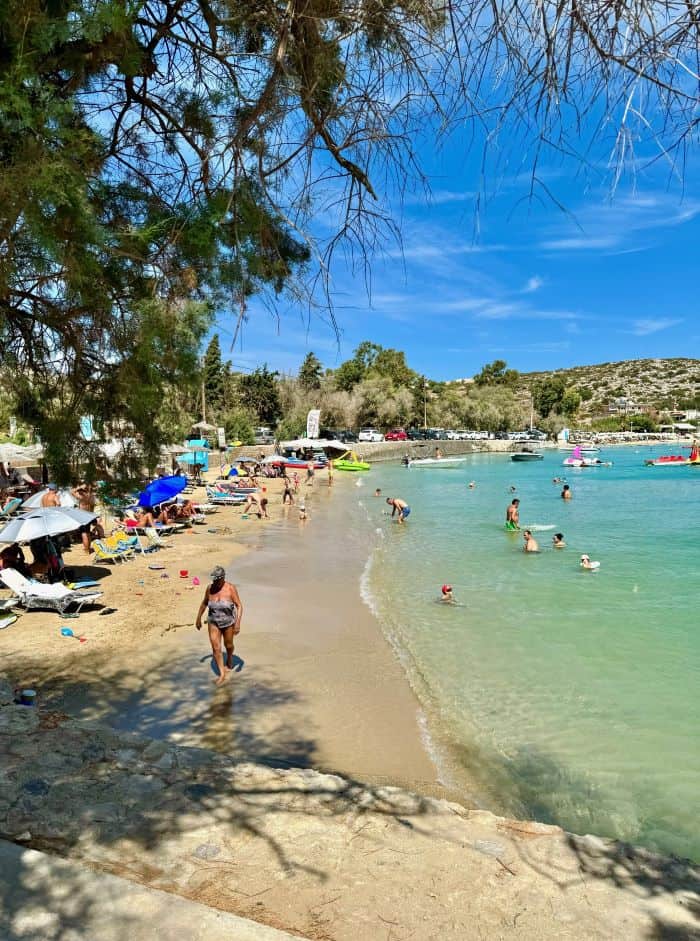
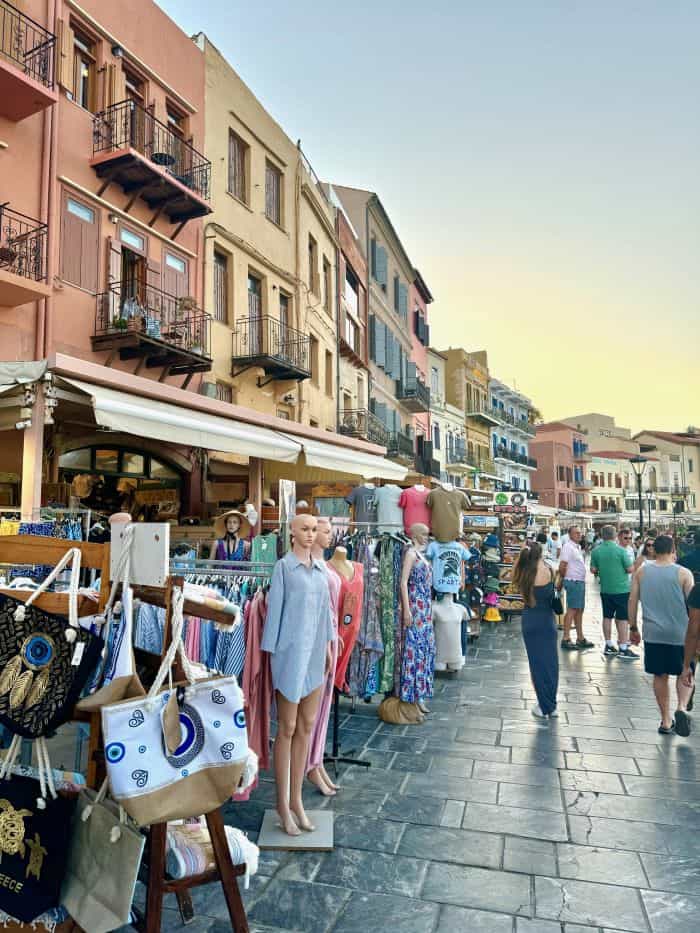
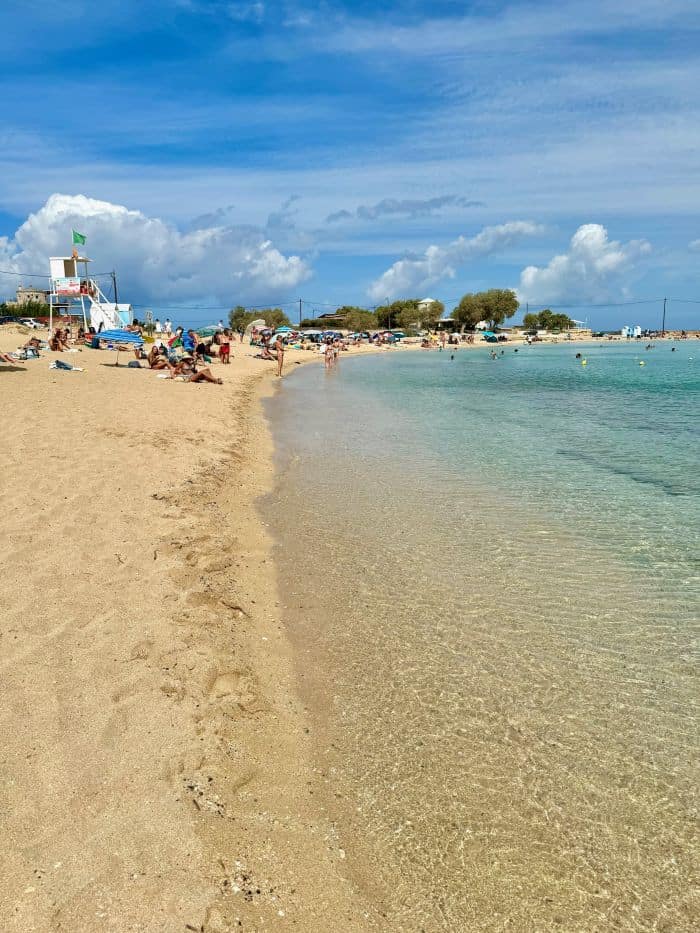
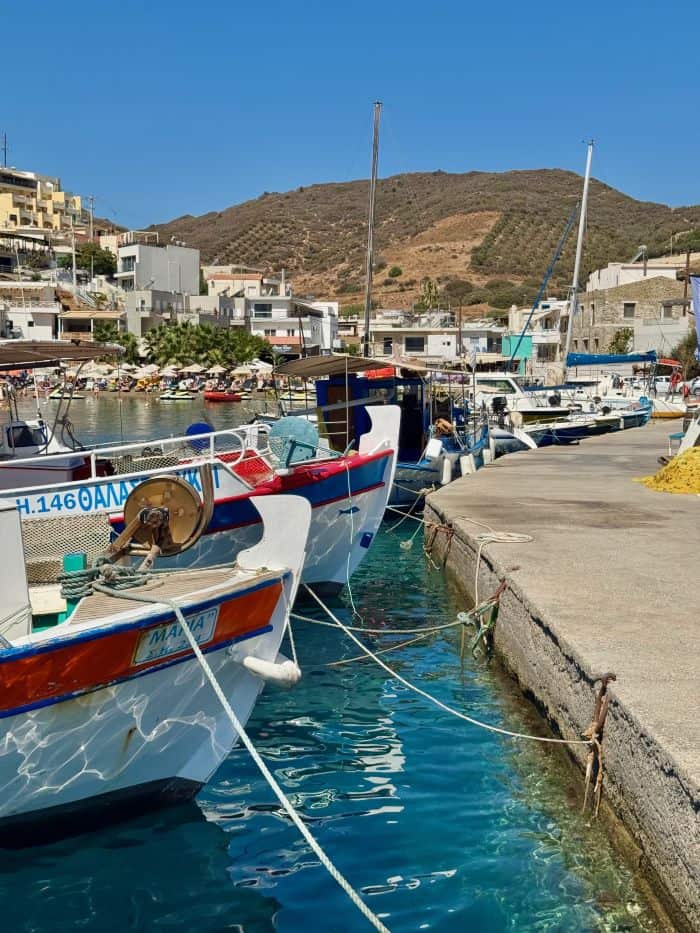
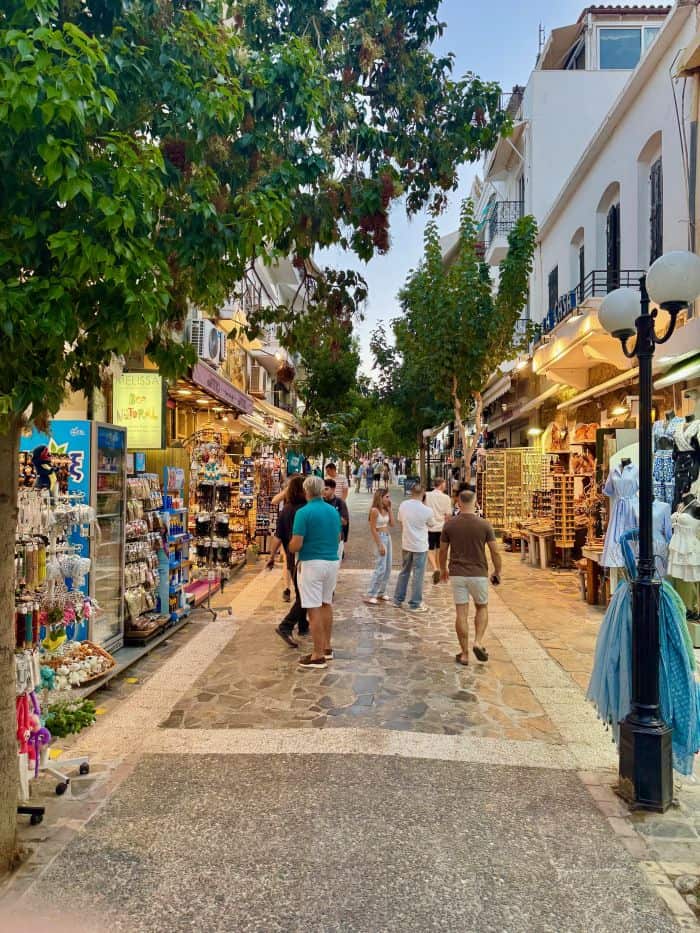
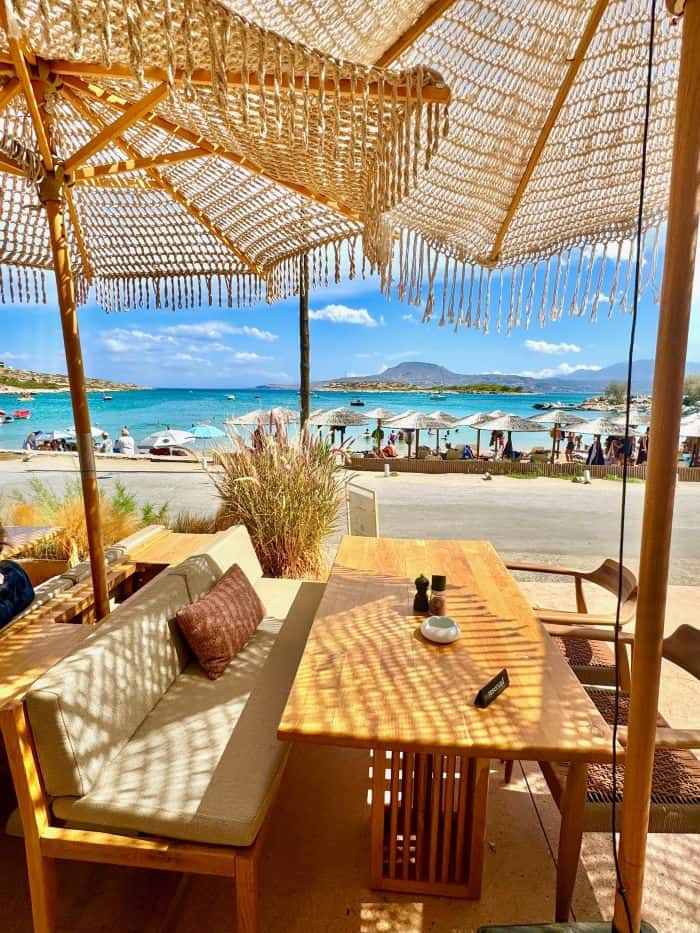
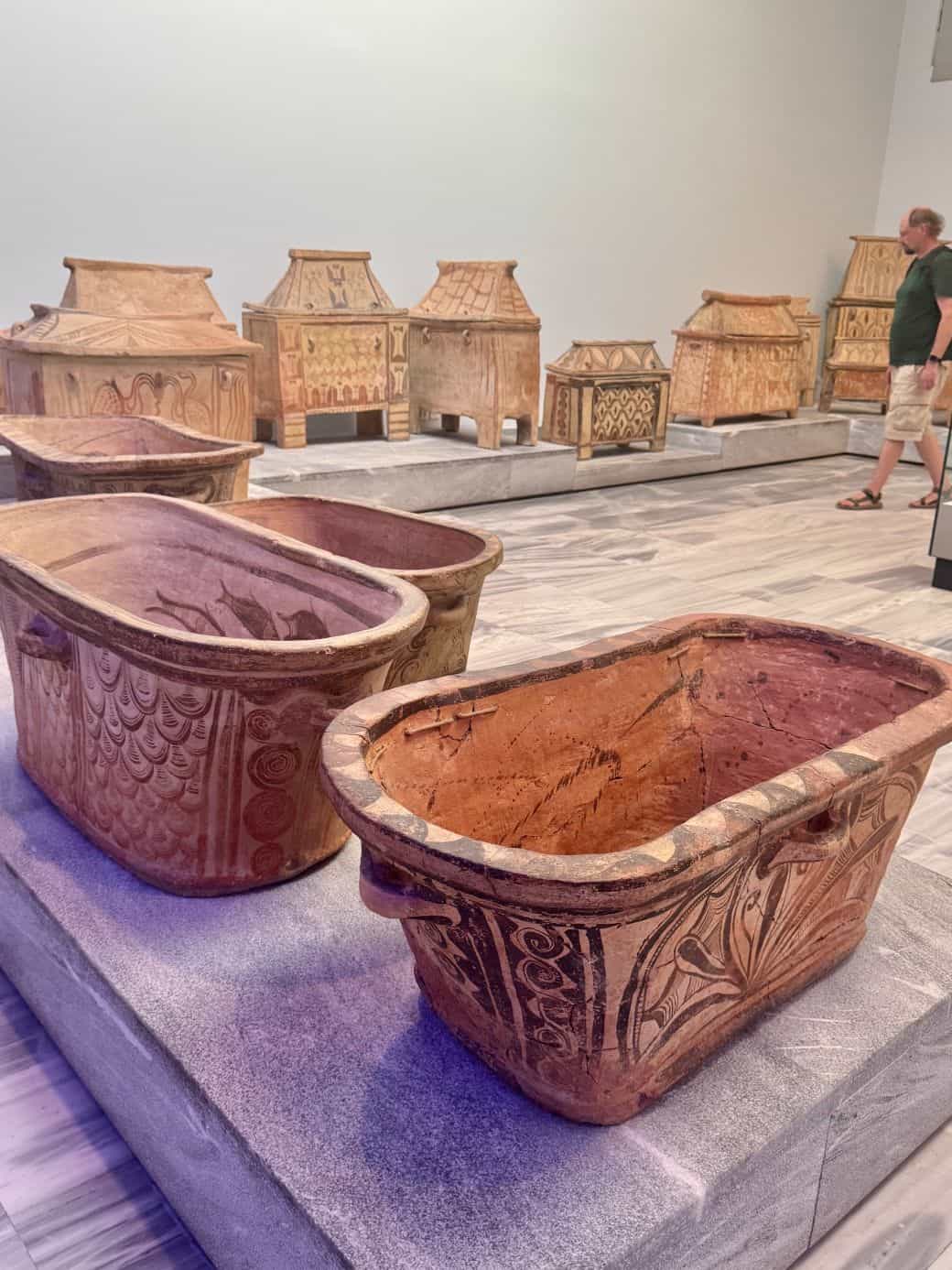
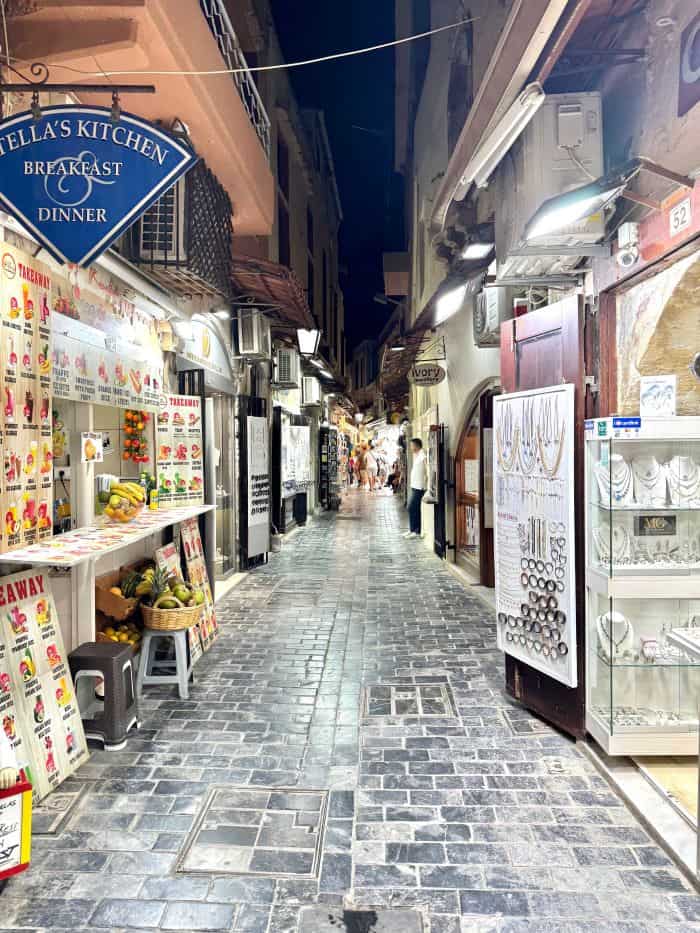
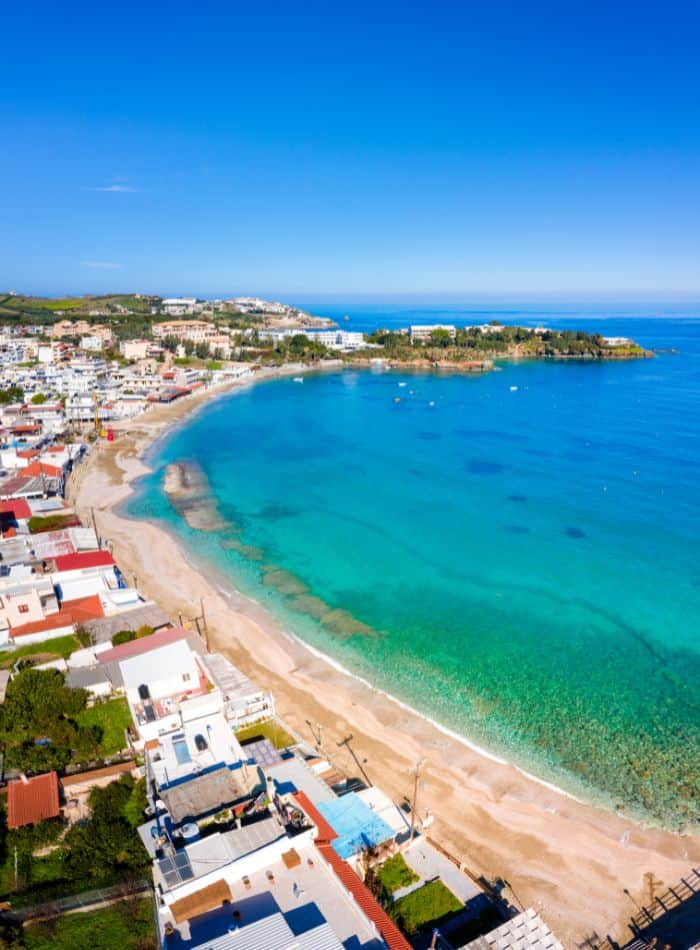
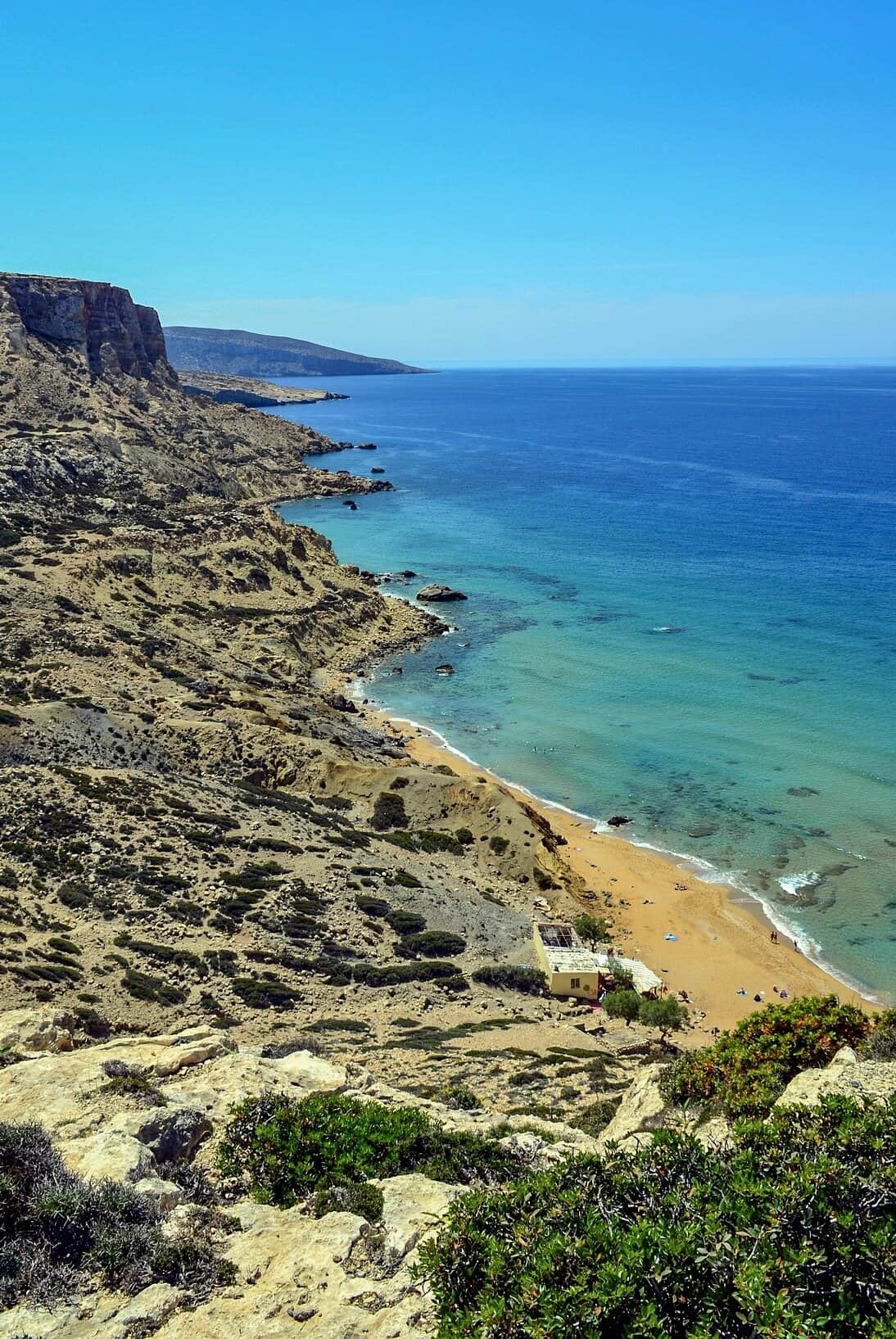
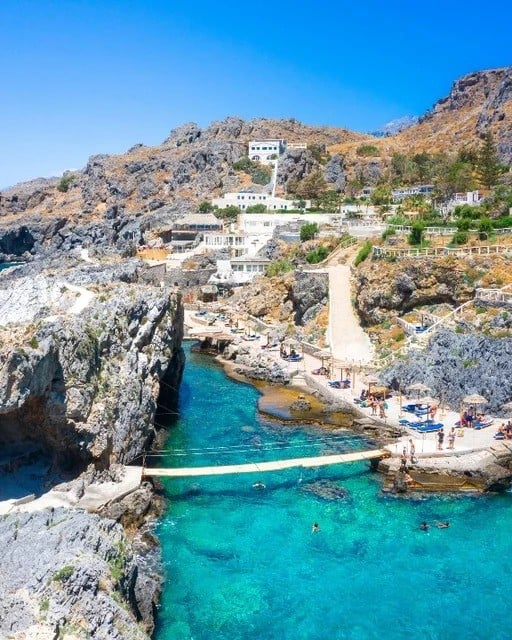
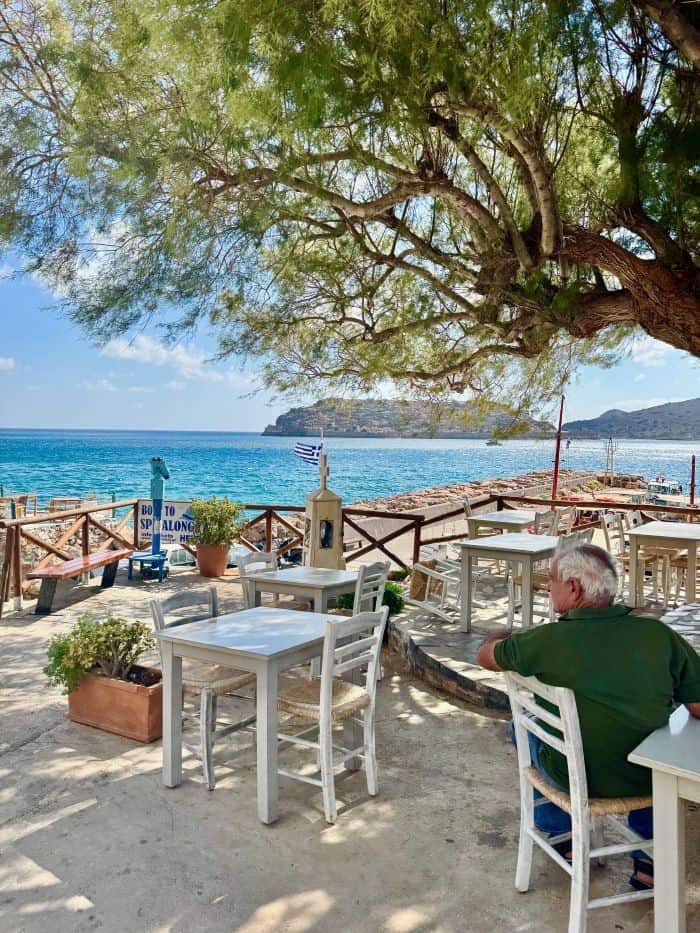
This is Greece’s largest and most diverse island, offering everything from ancient Minoan sites and vibrant cities to remote mountain villages and some of Europe’s best beaches. Each region has its own character, so experiences range from cosmopolitan dining and museums to wild gorges, pink-sand shores, and quiet coastal towns.
The island feels more like a small country than a typical Greek island, with exceptional food, strong cultural identity and landscapes that shift dramatically as you travel. Crete rewards good planning and generous time, giving visitors a mix of history, nature and modern Mediterranean life in one destination.
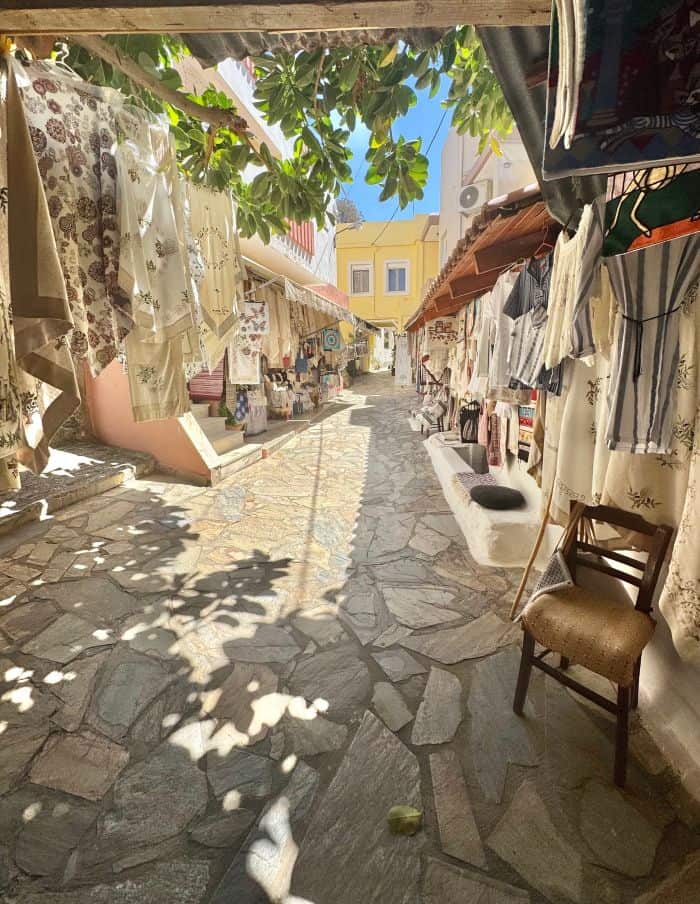
Most tourists stick to the Northern towns and villages, whilst the South and interior retain the most authenticity and have fewer crowds.
April - November
7+ days
South Aegean/Libyan Sea
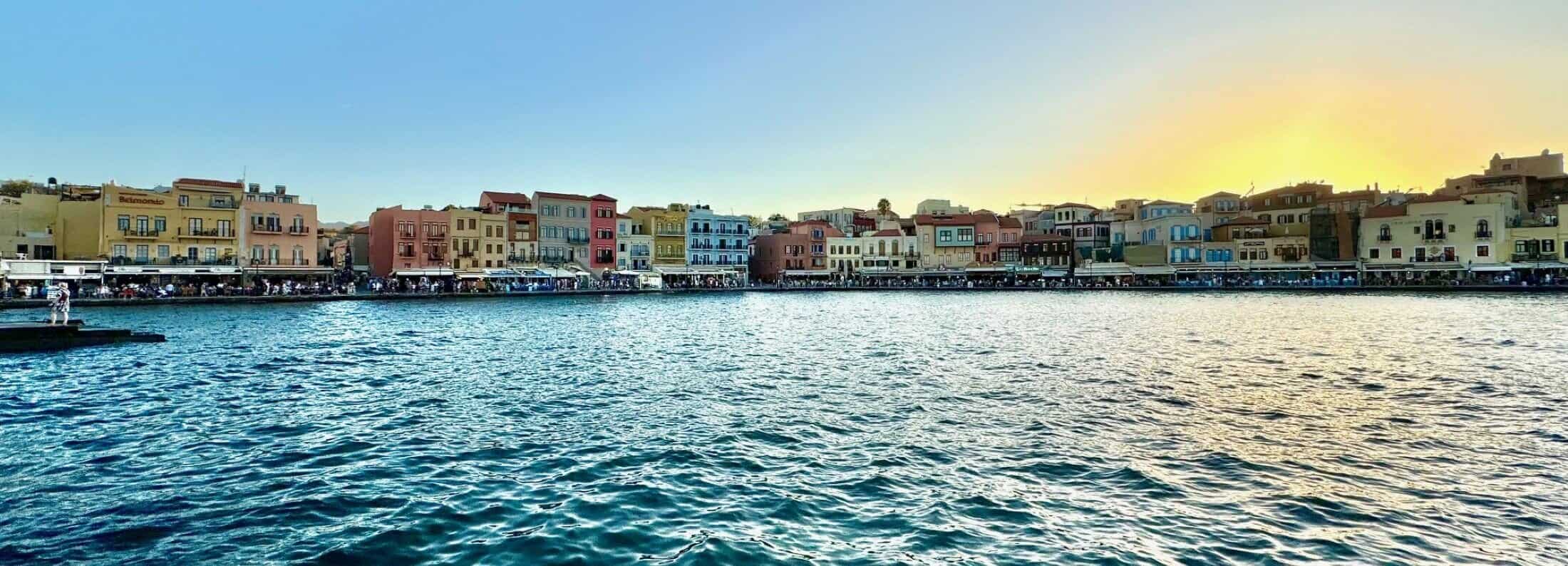
What to expect
As Greece’s largest island, expect long drives, excellent food, diverse landscapes, outstanding beaches and a strong local identity.
The island is effectively a small country, with four regions that each feel distinct. It suits every type of traveller, but planning is essential due to its size, and hiring a car is the best way to explore.
Language: Greek, but most people in tourist areas speak English ( and more)
Currency: Euro
Credit Cards and ATMs: You can find ATMs all over Crete. Every major town and city has them, even in mini marts, travel agencies and some hotel lobbies. Visa and Mastercard are widely accepted, and in fact, it is illegal for taxis, hotels and any business working in tourism not to accept them.
Plugs: The plugs in Greece are Type C and F. The standard voltage is 230 V, and the standard frequency is 50Hz. For many people, appliances and devices will work fine, but if you are from the USA, you will need a dual-voltage styling iron or hair dryer.




Best time to visit Crete
May & November for sightseeing
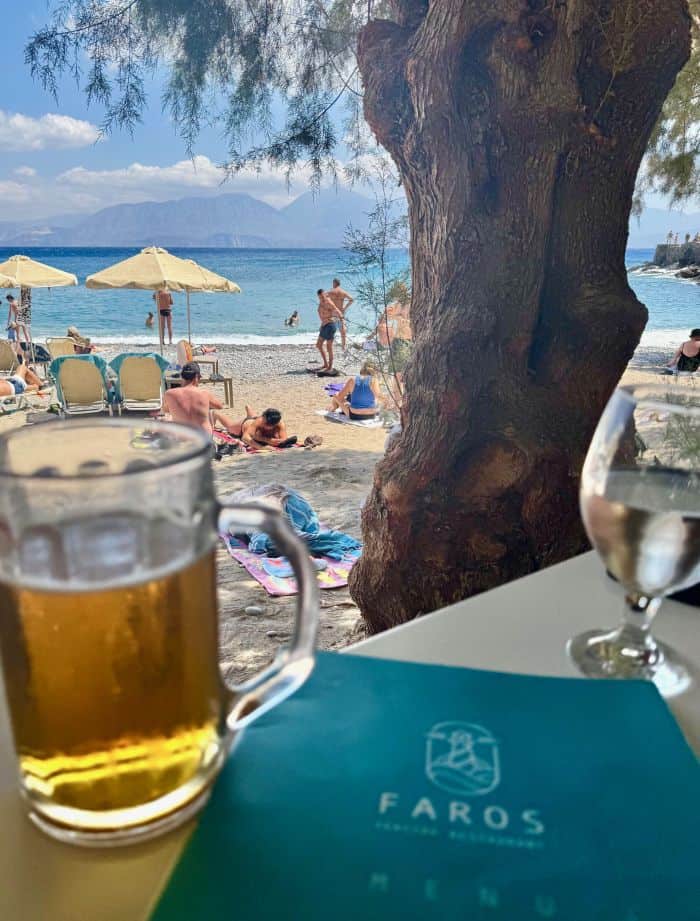
June & September for beaches

How long to go for
At least a week but 2 is better

How to get around Crete
A hire car really is essential
Top Crete Itineraries – 7, 10, 14 and 21 days
CLICK HERE
Which part of Crete should you stay in?
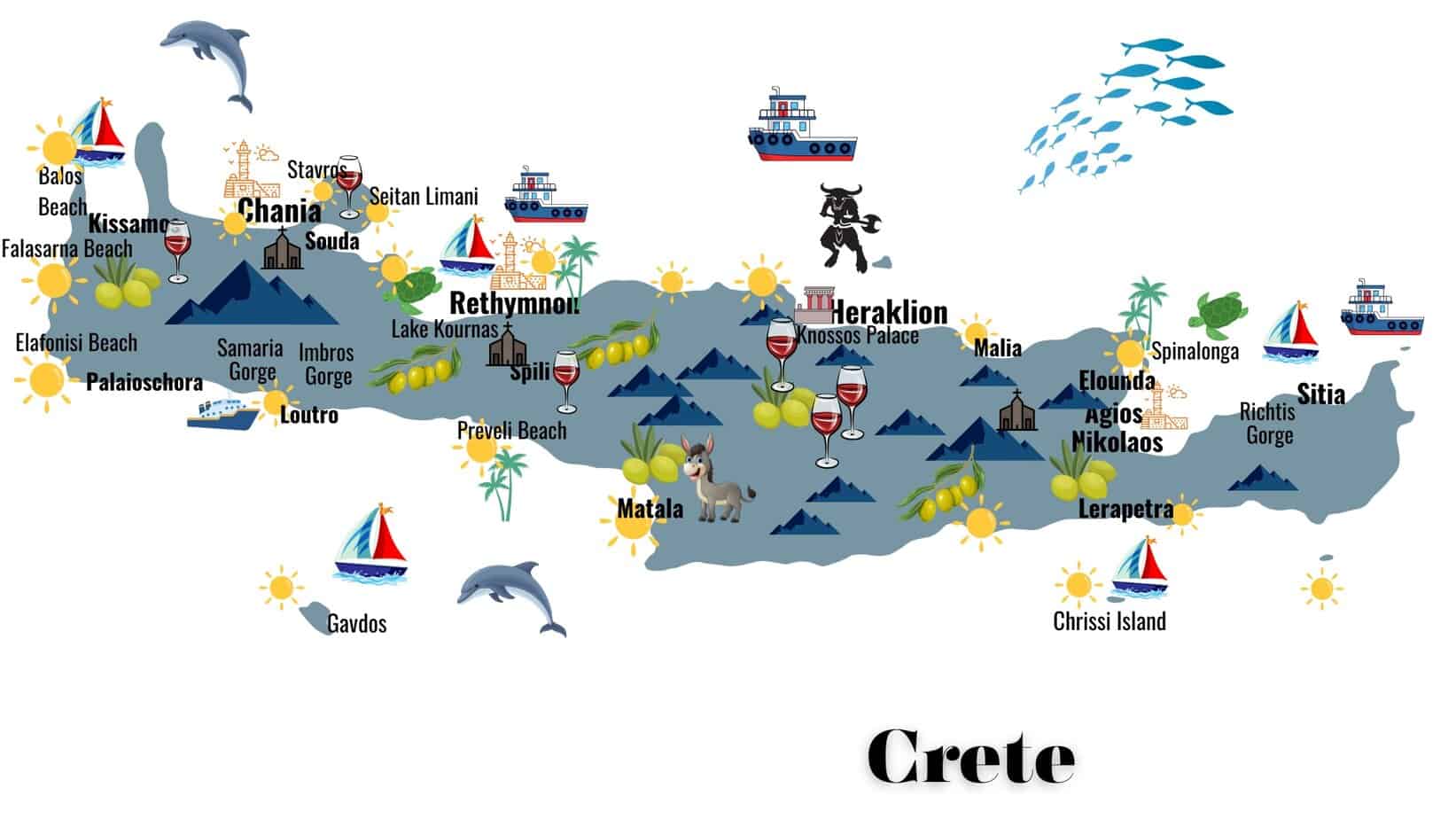
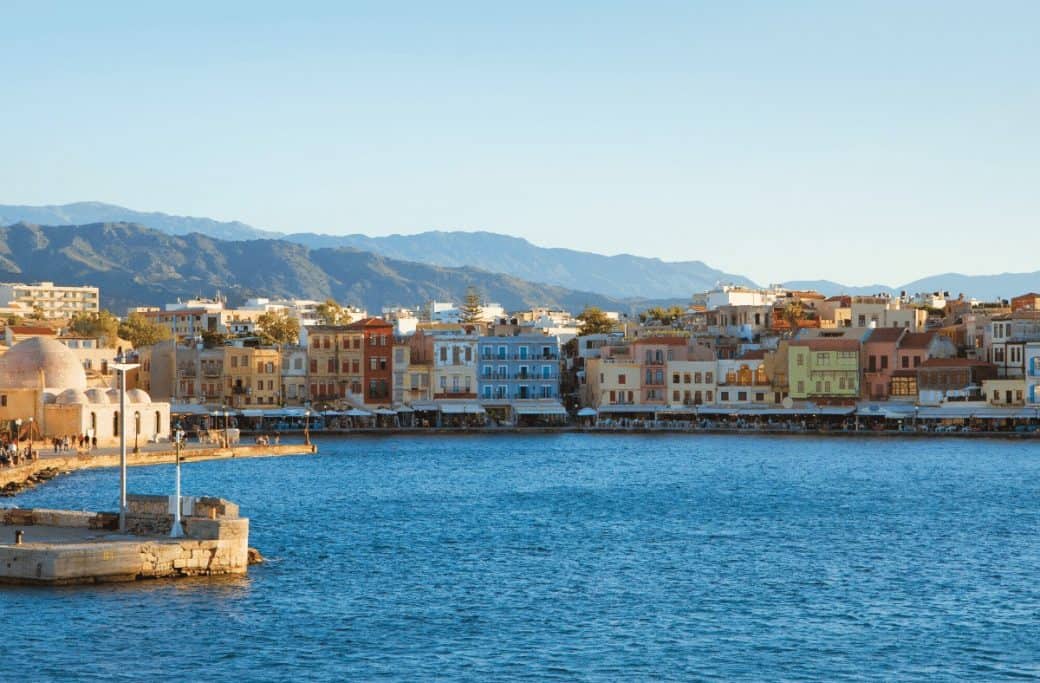
Chania for scenery and beaches, Heraklion for Knossos and museums, Rethymno for balance, Elounda for upscale resorts, the south coast for quiet escapes.
Do you need a car in Crete?
Yes, preferably, unless you are staying only in a main town. Distances are long, and many beaches are remote.
What are the must see attractions in Crete?
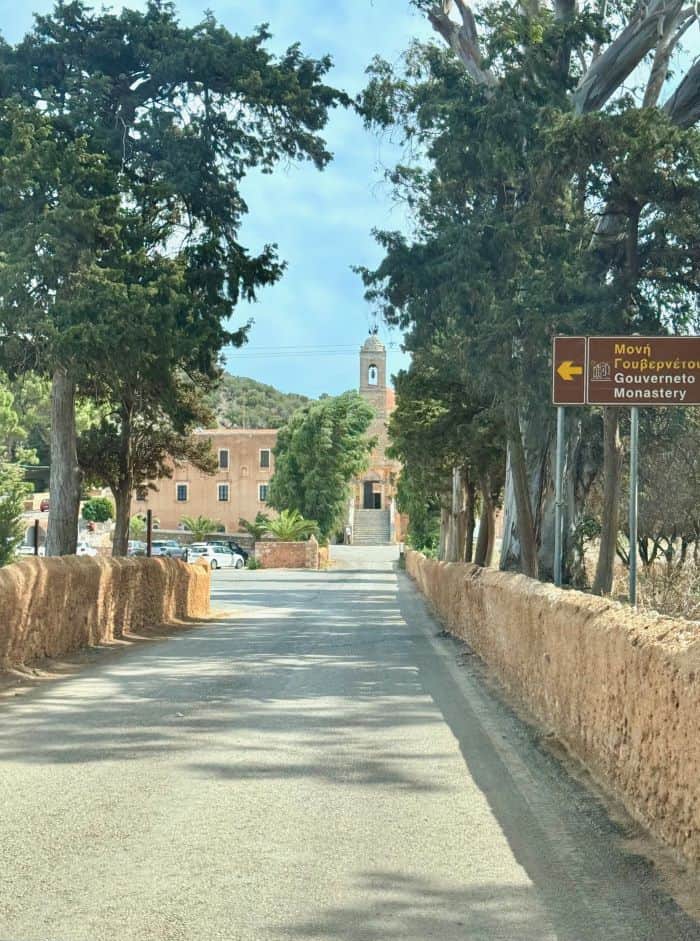
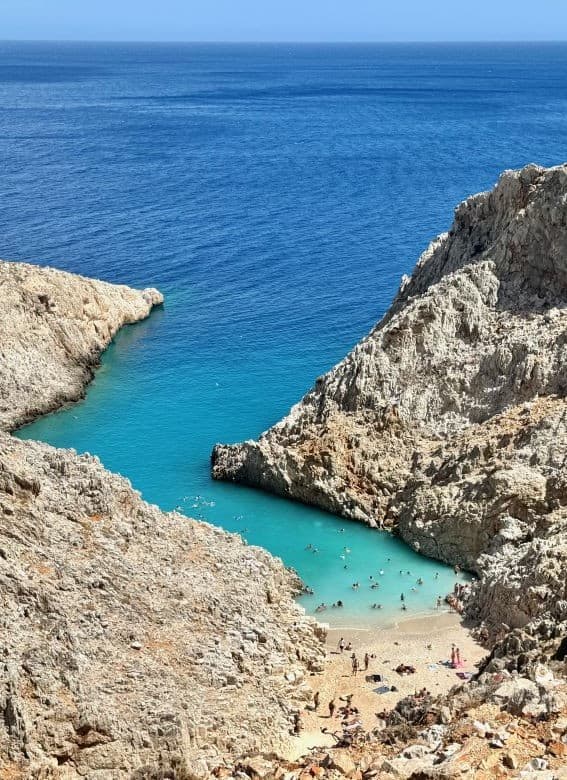
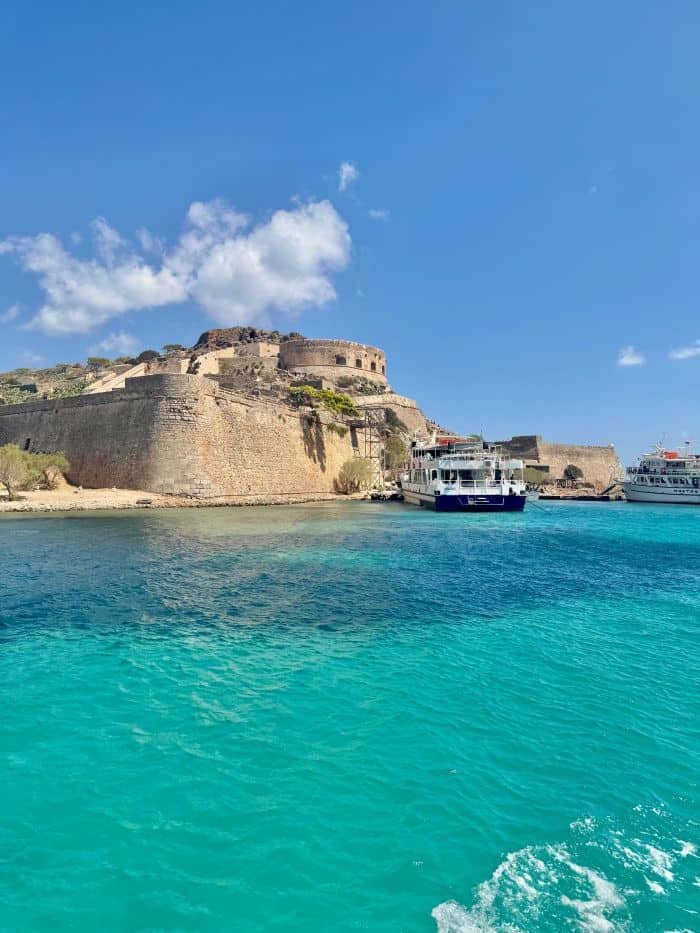
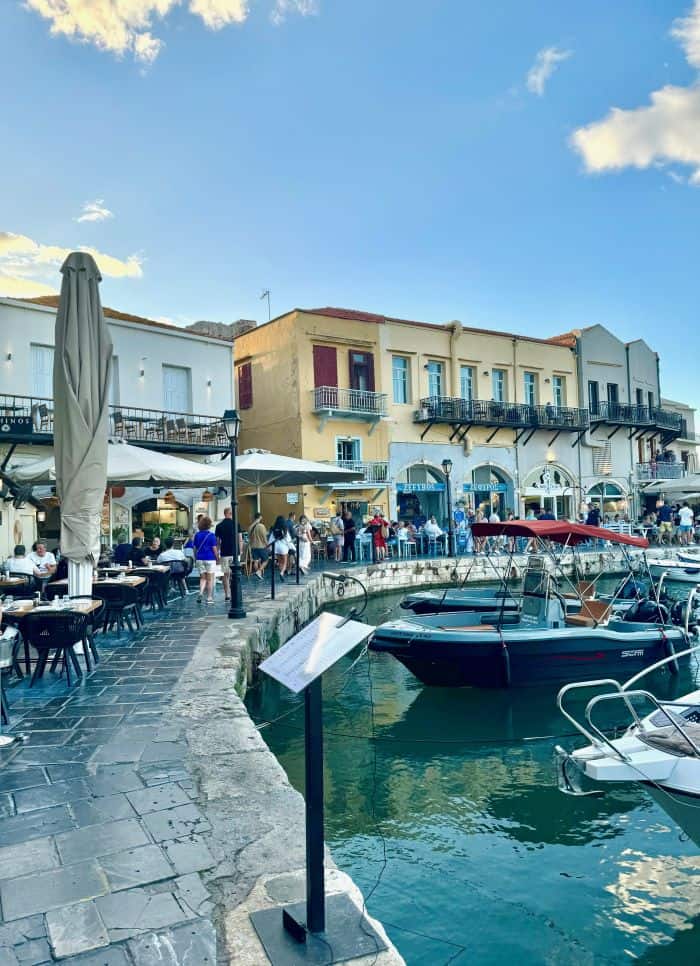
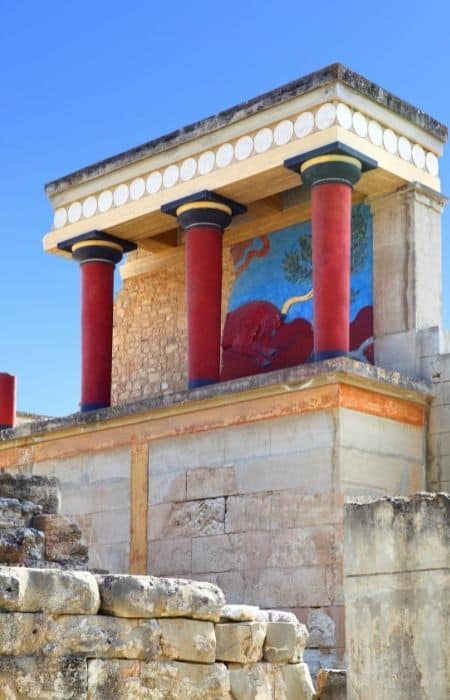
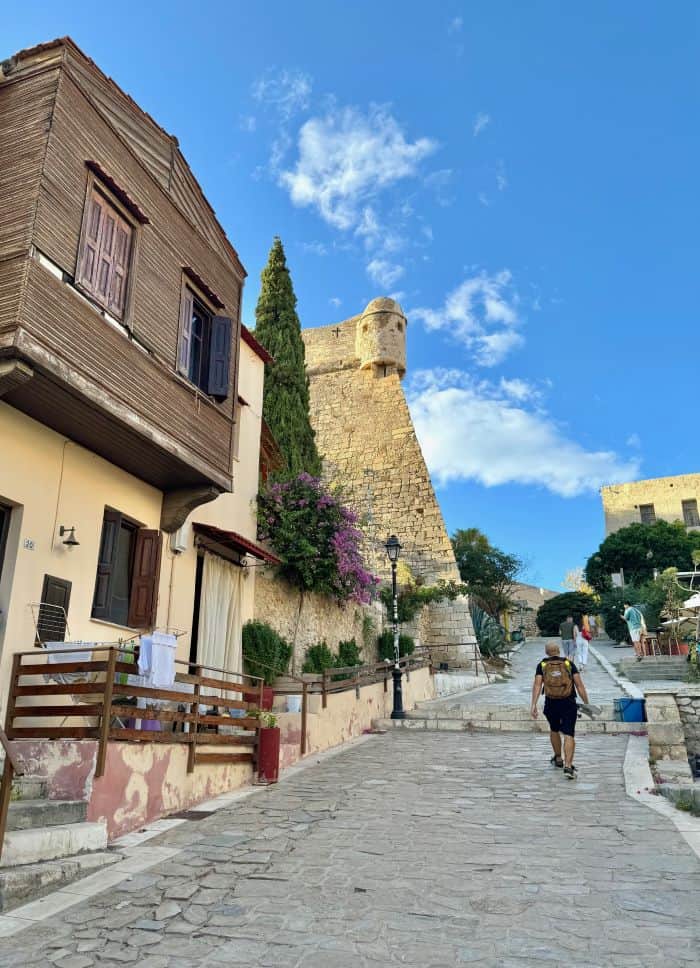
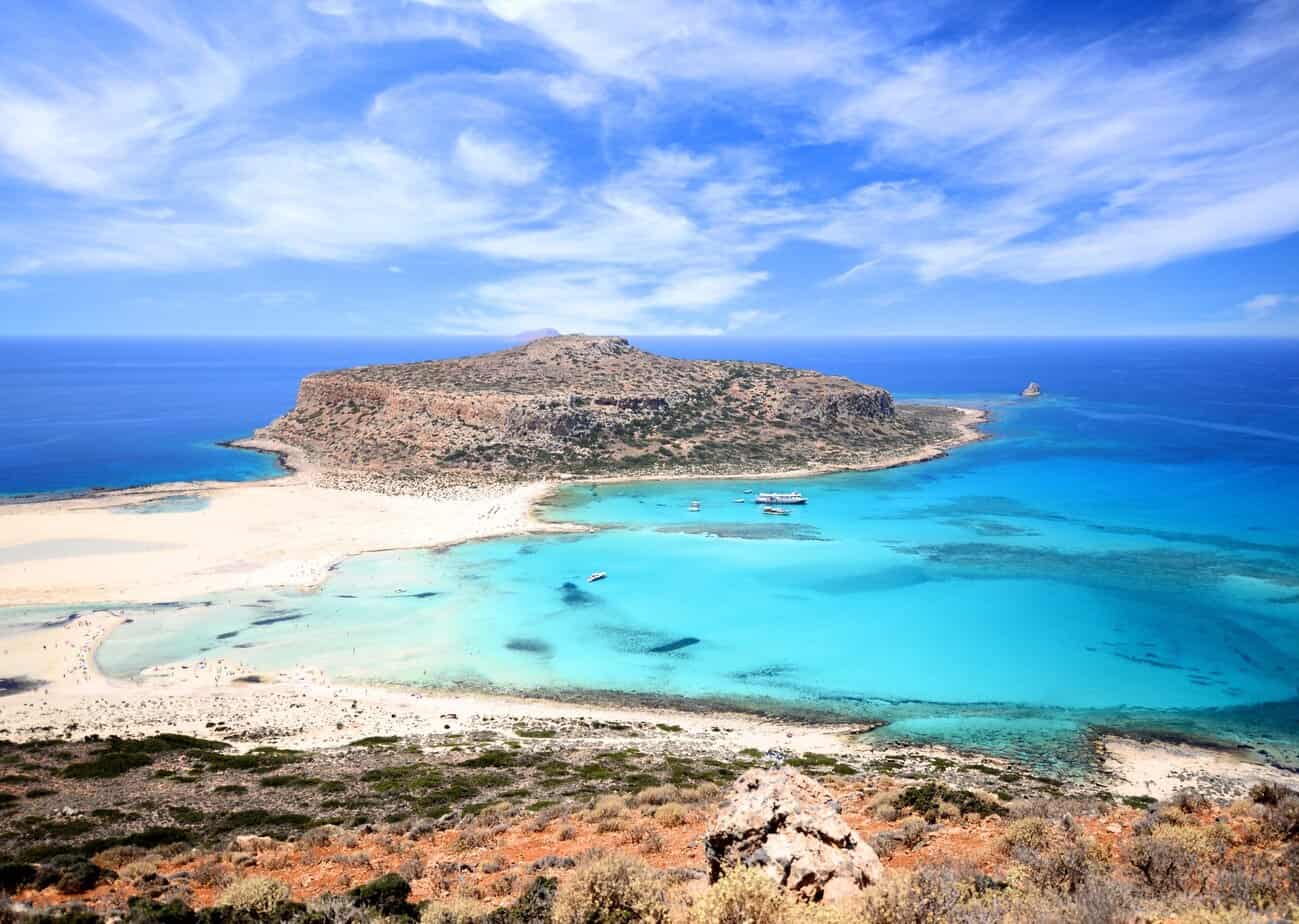
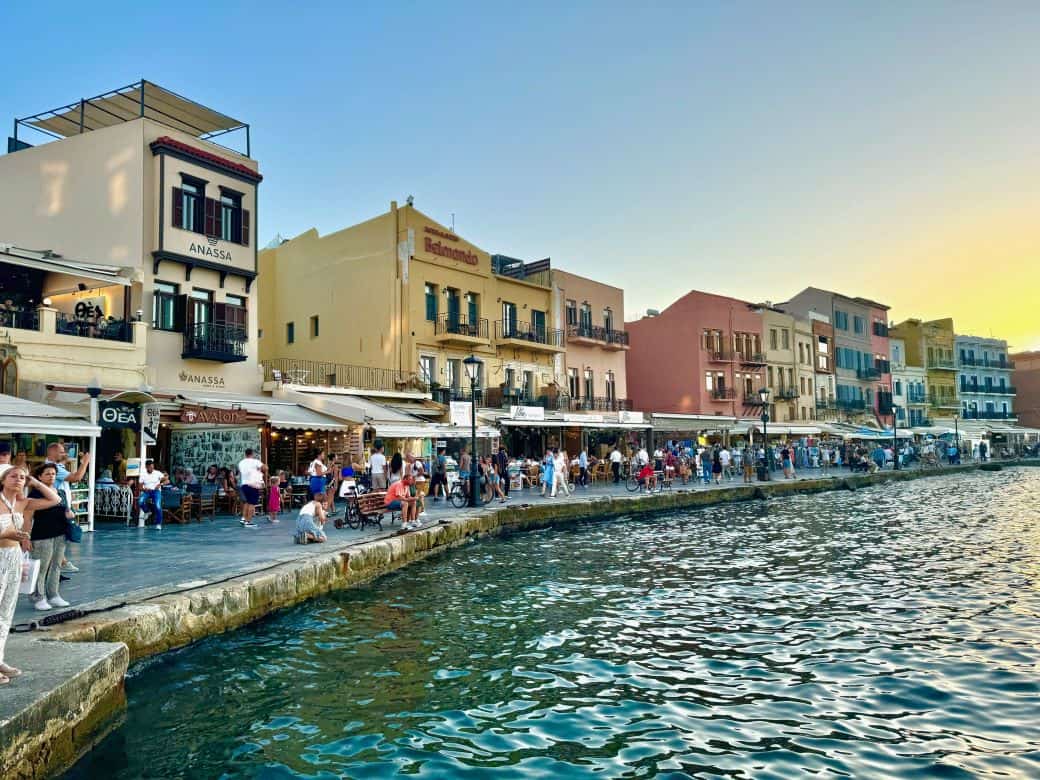
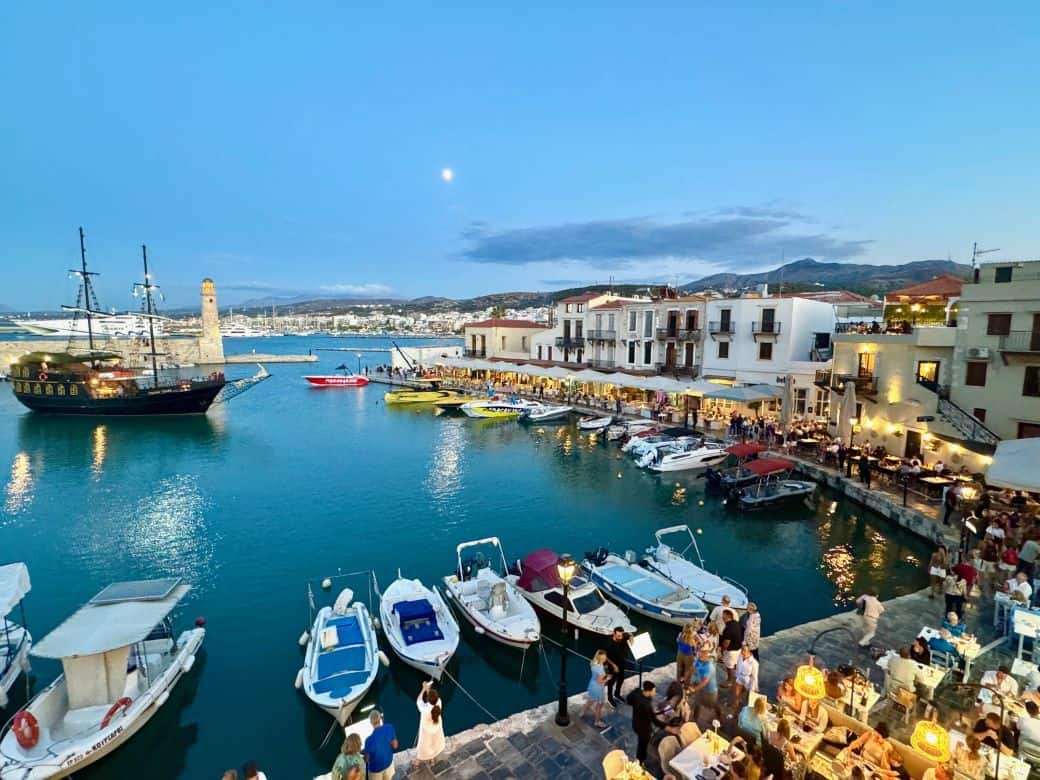
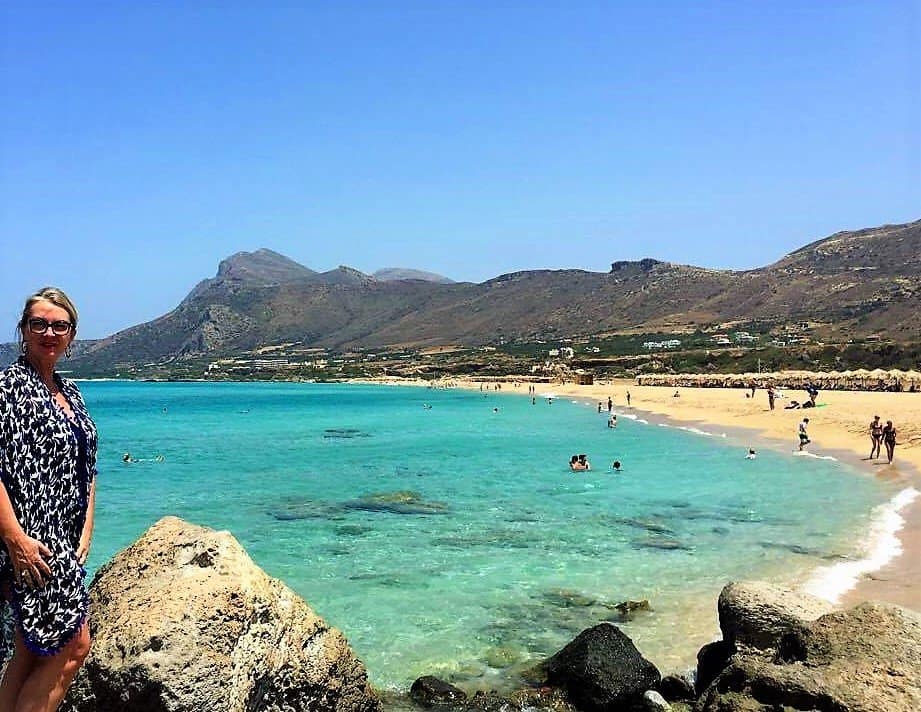
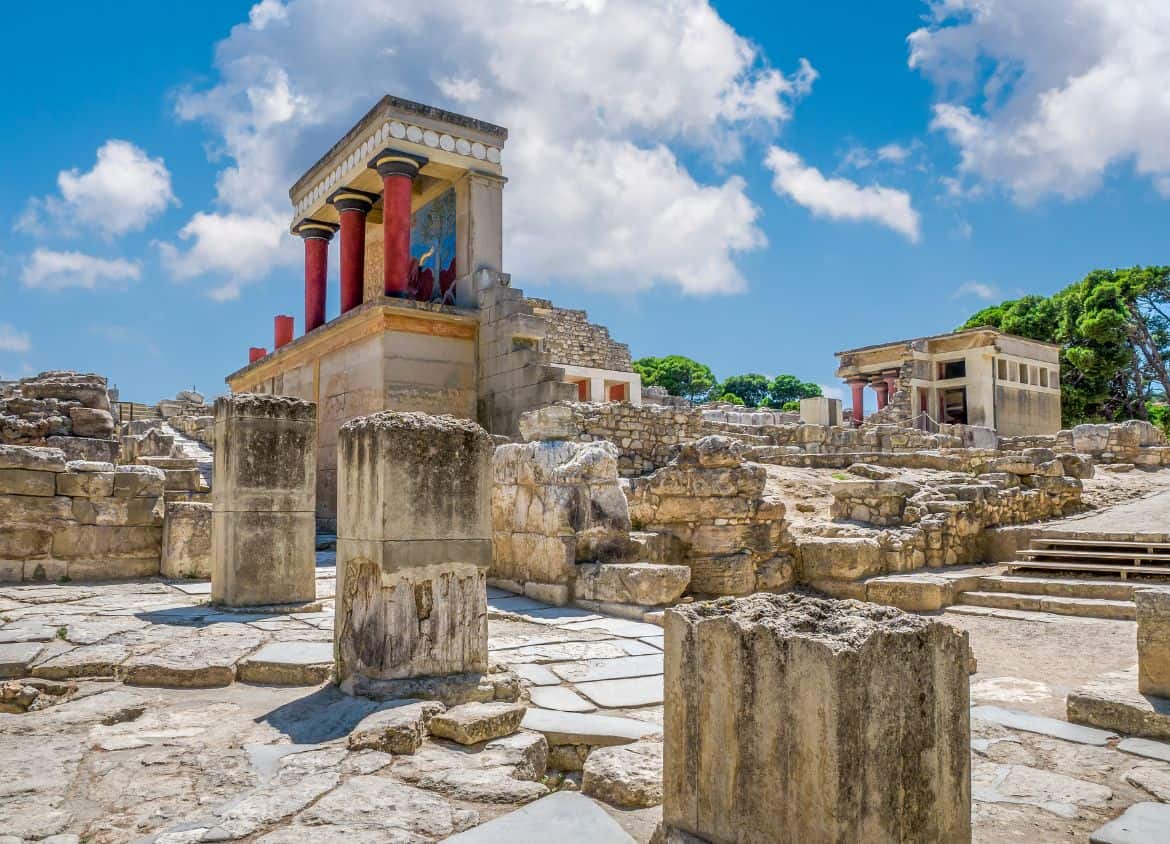
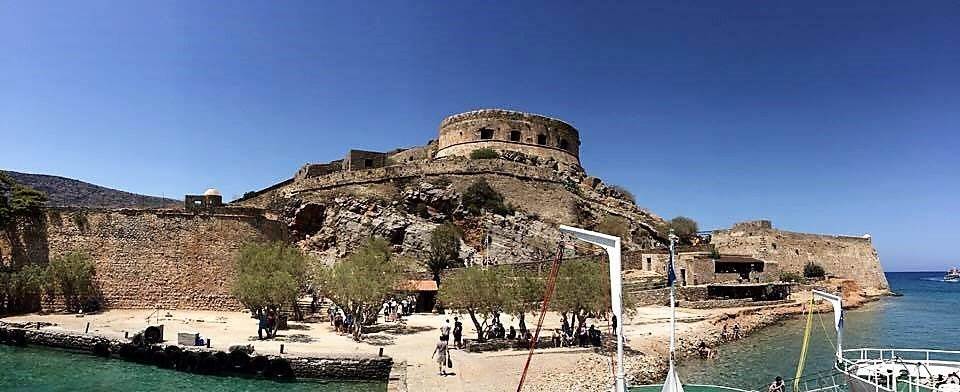
Knossos Palace, the Samaria Gorge, Elafonisi, Balos, Falasarna and Seitan Limani Beaches, Chania & Rethymnon Old Towns, Spinalonga and the Palace of Phaistos, and lots more!
How many days do you need?
A week is a minimum. Ten to fourteen days lets you see multiple regions.
Is Crete good for families?
Yes, very. Beaches, food, accommodation options and reliable infrastructure make it one of Europes best family destinations.
Is Crete too big?
It is large, but manageable with planning. Choose one or two regions and avoid trying to cross the island daily. It is certainly too big to see much in 3 days, but with at least a week, you can cover a lot of ground.
YOU MAY ALSO LIKE
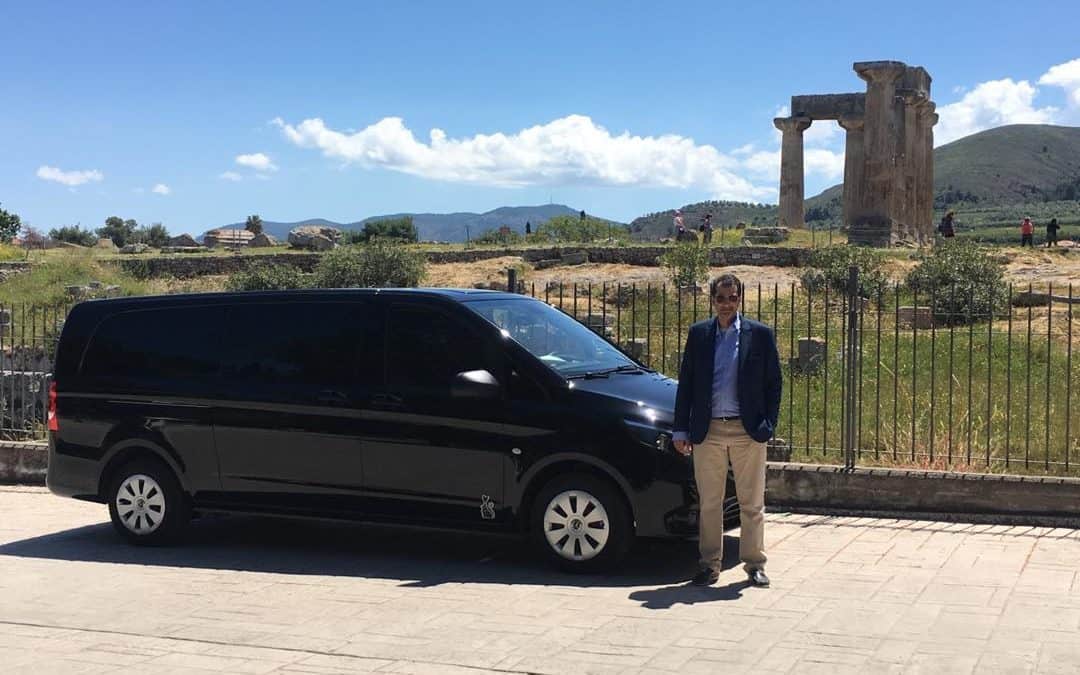
PRIVATE DRIVERS IN ATHENS AND THE MAINLAND
When you arrive in Athens after a long flight, there is nothing like seeing a friendly face behind...

HIKING IN SANTORINI
The island of Santorini is world renowned for its stunning sunsets, caldera views and unique...
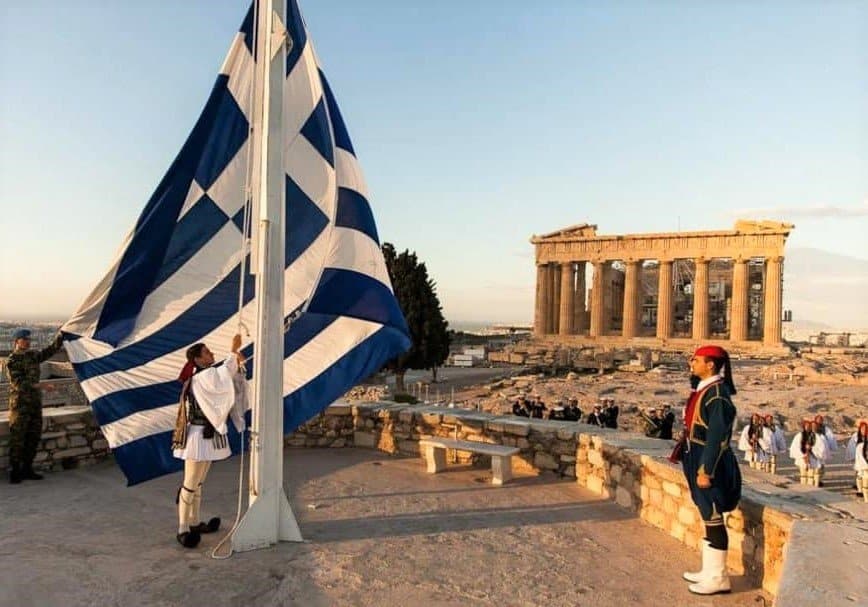
ONE DAY IN ATHENS – A COMPLETE ITINERARY
Athens is one of the oldest and most fascinating cities in the world. The birthplace of Democracy,...
